CALCIUM AND BONE HEALTH IN PEOPLE WITH THYROID DISORDERS: WHAT TO KNOW
The thyroid is a vital endocrine organ that plays a key role in regulating numerous metabolic processes in the body. Thyroid disorders such as hypothyroidism, hyperthyroidism, and hypoparathyroidism can seriously impact one's health. Calcium is an important mineral for the skeletal system. This article covers what people with thyroid-related conditions should know about calcium; treatment of the condition itself is decided by a doctor.
Understanding the Thyroid and the Critical Role of Calcium
The thyroid gland, located in the front of the neck, is responsible for producing hormones like T3 (triiodothyronine) and T4 (thyroxine), which help regulate metabolism, heart rate, and body temperature. When thyroid function is disrupted, bone health can be affected, so patients should pay attention to the calcium in their diet.
Common Thyroid Disorders
Hypothyroidism: a condition where the thyroid gland does not produce enough necessary hormones. This leads to symptoms such as fatigue, weight gain, depression, and dry skin. People with hypothyroidism should ask their doctor about their calcium needs to look after their bone health.
Hyperthyroidism: occurs when the thyroid gland produces an excess of hormones, leading to an increased metabolic rate. Individuals with hyperthyroidism often experience rapid weight loss, hand tremors, and a rapid heartbeat. They are at higher risk of bone loss and should have their bone health monitored by a doctor.
Hypoparathyroidism
Hypoparathyroidism is a disorder related to the parathyroid glands producing too little Parathyroid Hormone (PTH). This hormone helps regulate calcium levels in the blood and bones. When parathyroid function is impaired, calcium levels in the body are severely affected, leading to muscle spasms and bone-related issues.
Calcium for People with Thyroid Disorders
Calcium, nerves and muscles: Calcium is not only important for bones but also takes part in nerve cell activity and muscle contraction. Calcium does not regulate thyroid function; treatment of thyroid disorders is decided by a specialist doctor.
Bone health in hypothyroidism: Thyroid hormone disorders can affect bone health, especially in the elderly. A diet with enough calcium is part of looking after the bones; patients should ask their doctor about their calcium needs and bone density monitoring.
Cardiovascular symptoms in hyperthyroidism: Hyperthyroidism can cause tachycardia and high blood pressure. These symptoms need to be examined and treated by a doctor; calcium supplementation is not a way to control them.
Calcium in hypoparathyroidism: Individuals with hypoparathyroidism often experience muscle spasms, cramps, and muscle pain due to low blood calcium levels. Calcium supplementation for these patients is prescribed and monitored by a doctor as part of the treatment plan.

Benefits of Proper Calcium Supplementation
Supports the Development of Strong BonesCalcium is not only crucial for children and adolescents but is especially important for older adults. Proper calcium supplementation helps maintain skeletal health, helping reduce the risk of osteoporosis caused by calcium deficiency.
A balanced diet for people with thyroid disorders: A balanced diet with enough calcium and other nutrients helps people with thyroid disorders maintain their physical condition. Diet does not replace medication or the treatment plan set by a doctor.
Muscle and nerve function: Calcium takes part in muscle contraction and nervous system function. Getting enough calcium according to recommended needs helps these functions work normally.

Effective Methods of Calcium Supplementation for Individuals with Thyroid Disorders
To ensure effective calcium supplementation, the following factors should be considered:
Appropriate Dosage
Calcium supplementation should be based on an individual's health status and specific condition. For individuals with thyroid disorders, a doctor will prescribe a suitable dosage to avoid overdose or deficiency.Combination with Vitamin D
Vitamin D plays a crucial role in helping the body absorb calcium more effectively. Therefore, when supplementing with calcium, patients should also ensure adequate Vitamin D intake through diet or sunlight exposure for optimal results.A Balanced Diet
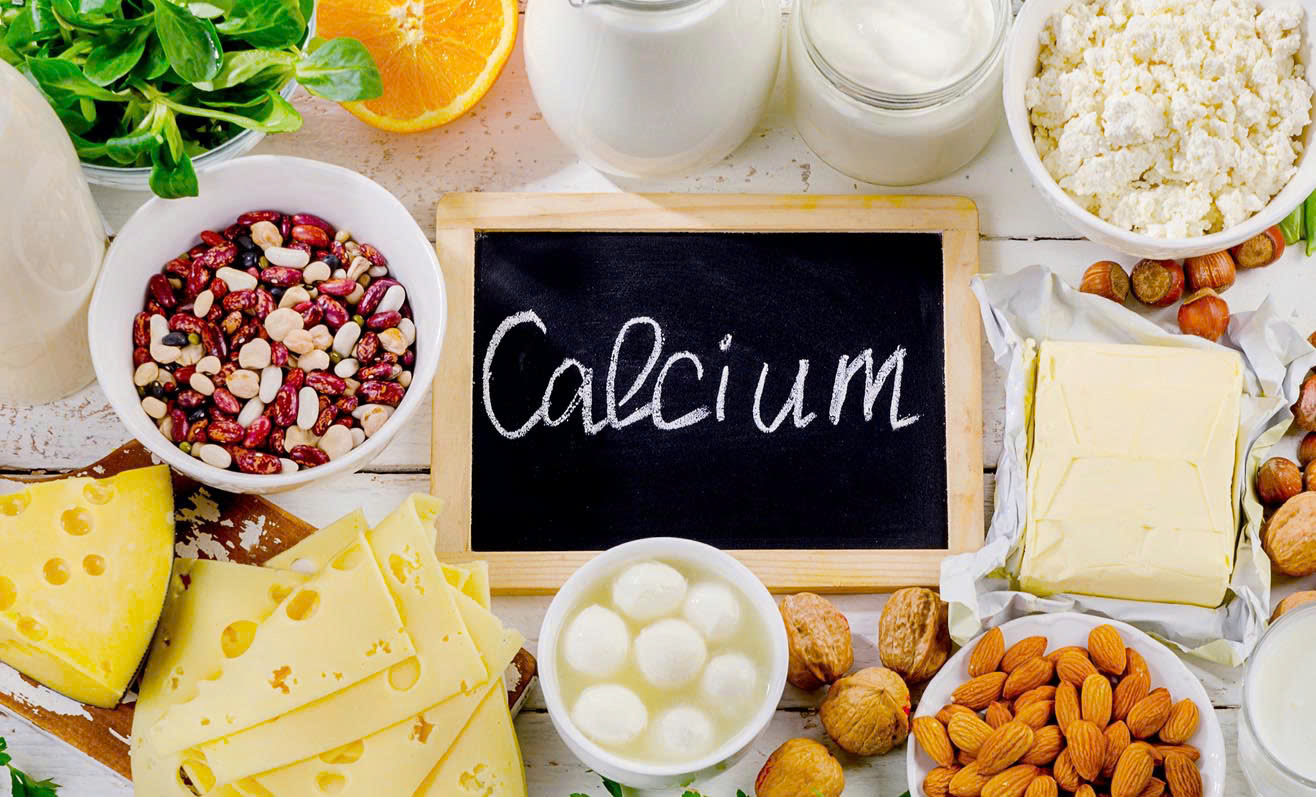
In addition to calcium supplements, a diet rich in calcium is very important. Calcium-rich foods include milk, yogurt, salmon, and leafy green vegetables like kale and broccoli. Patients should maintain a balanced diet to ensure comprehensive nutrition for the body.
Conclusion
Calcium is an essential mineral for the skeletal system. People with thyroid disorders such as hypothyroidism, hyperthyroidism and hypoparathyroidism should consult their doctor about suitable calcium supplementation. Calcium supplementation does not replace treatment of the condition.
By maintaining balanced calcium levels in the body, we can improve our quality of life and ensure better protection for our bone and joint health.
—---------------------------------------------------------
DDA VIETNAM INVESTMENT JOINT STOCK COMPANY
☎️ Hotline: 1800.9070 – 098.374.6986
✉️ Email: [email protected]
📍 TikTok: @ddavietnam2019
📍 Website: ddavietnam.vn
📍 Address: No. 8 Lua Street, Residential Group 2 Van Phuc, Ha Dong Ward, Hanoi City